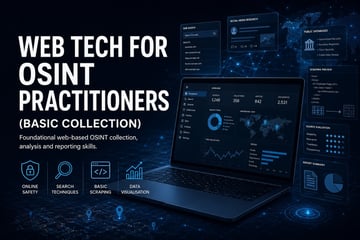
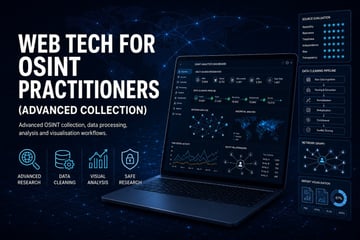
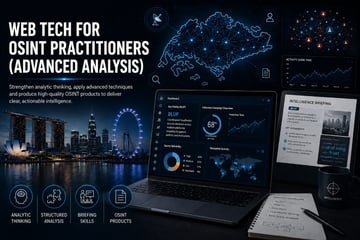
Data is only valuable when it drives action. This course helps participants turn raw data into insights using practical analytics techniques. Participants will learn to identify business requirements, mine datasets, perform statistical analysis, and present findings effectively.
Learning Outcomes:
- Apply data mining, forecasting, and modelling techniques to reveal trends and patterns in a given dataset
- Apply data transformation techniques and principles to structure datasets into meaningful insights that drive business decisions
- Execute database queries to retrieve unique information from two tables or datasets
- Generate performance dashboards to reveal business insights from data studies
Key Topics:
- Data lifecycle and analytics frameworks
- Data quality, mining, and governance
- Analytical methods and tools
- Certification preparation for CompTIA Data+ (DA0-001)
Exam Details
This course is designed to build participants’ understanding of key concepts and domains covered in the CompTIA Data+ certification.
The CompTIA Data+ certification validates the skills required to support data-driven business decision-making, including data mining, data manipulation, visualisation, basic statistical techniques, and maintaining data quality across the data lifecycle.
The certification is suitable for early-career data analytics professionals and demonstrates the ability to support and communicate business intelligence through effective data handling and presentation.
To maximise success, participants are strongly encouraged to complement the course with additional self-study, revision of course materials, and dedicated practice before attempting the exam.
Funding Information
SkillsFuture Singapore (SSG)
Funding is available on course fees. Please refer to the eligibility categories below.
| Self-sponsored | Singapore Citizen & PR aged ≥ 21 years | Up to 50% funding |
| Singapore Citizen aged ≥ 40 years | Up to 70% funding | |
| Company Sponsored (Non-SME) | Singapore Citizen & PR aged ≥ 21 years | Up to 50% funding |
| Singapore Citizen aged ≥ 40 years | Up to 70% funding | |
| Company Sponsored (SME) | Singapore Citizen & PR aged ≥ 21 years | Up to 70% funding |
| Singapore Citizen aged ≥ 40 years | Up to 70% funding |
SSG Funding Requirements
- Trainees must scan their attendance twice daily using the SingPass application.
- Trainees must attain at least 75% attendance.
- Trainees must pass the in-house assessment to be eligible for funding.
- Trainees and/or sponsoring companies must meet all SSG-mandated eligibility criteria. For more information, refer to the SkillsFuture homepage.
Appeal Policy and Procedure
- Candidates may appeal assessment results if they disagree with the outcome.
- Appeals must be submitted in writing via email to esv_comat_cse@stengg.com within three working days from the date of assessment.
Cancellation, Postponement and Refund Policy
- Requests for cancellation or postponement must be submitted in writing more than four weeks before the class start date to avoid charges.
- Written notice received two to four weeks before the class start date will incur a late cancellation charge of 50% of the course fee.
- Written notice received less than two weeks before the class start date will incur a late cancellation charge of 100% of the course fee.
- If payment has been made and the withdrawal is accepted, a refund will be issued after deducting any applicable late cancellation charges.
Feedback Policy and Procedure
- Feedback may be submitted via email to esv_comat_cse@stengg.com or through your servicing Account Manager.
- Formal feedback will be acknowledged and handled within 10 working days. An interim response will be provided if more time is required.
Data Concepts and Environments
- Identifying basic concepts of data schemas
- Understanding different data systems
- Understanding types and characteristics of data
- Comparing and contrasting different data structures, formats, and markup languages
Data Mining
- Data integration and collection methods
- Identifying common reasons for cleansing and profiling data
- Executing different data manipulation techniques
- Common techniques for data manipulation and optimization
- Applying quality control to data
Data Analysis
- Applying descriptive statistical methods
- Describing key analysis techniques
- Understanding the use of different statistical methods
Visualisation
- Using the appropriate type of visualisation
- Expressing business requirements in a report format
- Designing components for reports and dashboards
- Distinguishing different report types
Data Governance, Quality, and Controls
- Summarising the importance of data governance
- Master data management concepts




.png?width=50&name=Artificial%20Intelligence%20(AI).png)







/AI%20(5)-1.png?width=360&name=AI%20(5)-1.png)









































































-1.png?width=360&name=Server%20(4)-1.png)






/AI%20(6)-1-1.png?width=360&name=AI%20(6)-1-1.png)
/AI%20(8)-1.png?width=360&name=AI%20(8)-1.png)
-1.png?width=360&name=Automation%20RPA%20(2)-1.png)