
*Important Note : Fees are subject to Singapore's prevailing Goods and Services Tax (GST).
 Virtualisation

undefined
undefined
90
Limited Time Offer
Enrol now and save $218 on your course fee
03
Days
03
Hours
03
Minutes
03
Seconds

Explore Other Courses

.png)




















NEW
Funded
Promo
GTR


Microsoft Productivity Suite
TITLE
.svg)
TIME
$ PRICE
$ PRICE
w GST
w GST
See Details



















NEW
Funded
Promo
GTR

Microsoft Productivity Suite
TITLE
TIME
$ PRICE
$ PRICE
w GST
w GST
See Details
NEW
Funded
Promo
GTR

Microsoft Productivity Suite
TITLE
TIME
$ PRICE
$ PRICE
w GST
w GST
See Details

NEW
Funded
Promo
GTR

Microsoft Productivity Suite
TITLE
TIME
$ PRICE
$ PRICE
w GST
w GST
See Details
NEW
Funded
Promo
GTR

Microsoft Productivity Suite
TITLE
TIME
$ PRICE
$ PRICE
w GST
w GST
See Details
NEW
Funded
Promo
GTR
Microsoft Productivity Suite
TITLE
TIME
$ PRICE
$ PRICE
w GST
w GST
See Details
NEW
Funded
Promo
GTR

Microsoft Productivity Suite
TITLE
TIME
$ PRICE
$ PRICE
w GST
w GST
See Details



NEW
Funded
Promo
GTR
Microsoft Productivity Suite
TITLE
TIME
$ PRICE
$ PRICE
w GST
w GST
See Details















NEW
Funded
Promo
GTR

Microsoft Productivity Suite
TITLE
TIME
$ PRICE
$ PRICE
w GST
w GST
See Details
NEW
Funded
Promo
GTR

Microsoft Productivity Suite
TITLE
TIME
$ PRICE
$ PRICE
w GST
w GST
See Details
NEW
Funded
Promo
GTR

Microsoft Productivity Suite
TITLE
TIME
$ PRICE
$ PRICE
w GST
w GST
See Details
NEW
Funded
Promo
GTR
Microsoft Productivity Suite
TITLE
TIME
$ PRICE
$ PRICE
w GST
w GST
See Details



























NEW
Funded
Promo
GTR

Microsoft Productivity Suite
TITLE
TIME
$ PRICE
$ PRICE
w GST
w GST
See Details
NEW
Funded
Promo
GTR
Microsoft Productivity Suite
TITLE
TIME
$ PRICE
$ PRICE
w GST
w GST
See Details
NEW
Funded
Promo
GTR

Microsoft Productivity Suite
TITLE
TIME
$ PRICE
$ PRICE
w GST
w GST
See Details
NEW
Funded
Promo
GTR
Microsoft Productivity Suite
TITLE
TIME
$ PRICE
$ PRICE
w GST
w GST
See Details



NEW
Funded
Promo
GTR
Microsoft Productivity Suite
TITLE
TIME
$ PRICE
$ PRICE
w GST
w GST
See Details











NEW
Funded
Promo
GTR

Microsoft Productivity Suite
TITLE
TIME
$ PRICE
$ PRICE
w GST
w GST
See Details




NEW
Funded
Promo
GTR
Microsoft Productivity Suite
TITLE
TIME
$ PRICE
$ PRICE
w GST
w GST
See Details



NEW
Funded
Promo
GTR

Microsoft Productivity Suite
TITLE
TIME
$ PRICE
$ PRICE
w GST
w GST
See Details


NEW
Funded
Promo
GTR
Microsoft Productivity Suite
TITLE
TIME
$ PRICE
$ PRICE
w GST
w GST
See Details
NEW
Funded
Promo
GTR
Microsoft Productivity Suite
TITLE
TIME
$ PRICE
$ PRICE
w GST
w GST
See Details
NEW
Funded
Promo
GTR
Microsoft Productivity Suite
TITLE
TIME
$ PRICE
$ PRICE
w GST
w GST
See Details
NEW
Funded
Promo
GTR
Microsoft Productivity Suite
TITLE
TIME
$ PRICE
$ PRICE
w GST
w GST
See Details
NEW
Funded
Promo
GTR

Microsoft Productivity Suite
TITLE
TIME
$ PRICE
$ PRICE
w GST
w GST
See Details
NEW
Funded
Promo
GTR

Microsoft Productivity Suite
TITLE
TIME
$ PRICE
$ PRICE
w GST
w GST
See Details
NEW
Funded
Promo
GTR
Microsoft Productivity Suite
TITLE
TIME
$ PRICE
$ PRICE
w GST
w GST
See Details
NEW
Funded
Promo
GTR

Microsoft Productivity Suite
TITLE
TIME
$ PRICE
$ PRICE
w GST
w GST
See Details
NEW
Funded
Promo
GTR

Microsoft Productivity Suite
TITLE
TIME
$ PRICE
$ PRICE
w GST
w GST
See Details
NEW
Funded
Promo
GTR

Microsoft Productivity Suite
TITLE
TIME
$ PRICE
$ PRICE
w GST
w GST
See Details
NEW
Funded
Promo
GTR
Microsoft Productivity Suite
TITLE
TIME
$ PRICE
$ PRICE
w GST
w GST
See Details
NEW
Funded
Promo
GTR
Microsoft Productivity Suite
TITLE
TIME
$ PRICE
$ PRICE
w GST
w GST
See Details














.png)
NEW
Funded
Promo
GTR

Microsoft Productivity Suite
TITLE
TIME
$ PRICE
$ PRICE
w GST
w GST
See Details
NEW
Funded
Promo
GTR

Microsoft Productivity Suite
TITLE
TIME
$ PRICE
$ PRICE
w GST
w GST
See Details
NEW
Funded
Promo
GTR
Microsoft Productivity Suite
TITLE
TIME
$ PRICE
$ PRICE
w GST
w GST
See Details
NEW
Funded
Promo
GTR

Microsoft Productivity Suite
TITLE
TIME
$ PRICE
$ PRICE
w GST
w GST
See Details
NEW
Funded
Promo
GTR
Microsoft Productivity Suite
TITLE
TIME
$ PRICE
$ PRICE
w GST
w GST
See Details
NEW
Funded
Promo
GTR
Microsoft Productivity Suite
TITLE
TIME
$ PRICE
$ PRICE
w GST
w GST
See Details
NEW
Funded
Promo
GTR

Microsoft Productivity Suite
TITLE
TIME
$ PRICE
$ PRICE
w GST
w GST
See Details
NEW
Funded
Promo
GTR
Microsoft Productivity Suite
TITLE
TIME
$ PRICE
$ PRICE
w GST
w GST
See Details
NEW
Funded
Promo
GTR

Microsoft Productivity Suite
TITLE
TIME
$ PRICE
$ PRICE
w GST
w GST
See Details
NEW
Funded
Promo
GTR
Microsoft Productivity Suite
TITLE
TIME
$ PRICE
$ PRICE
w GST
w GST
See Details
NEW
Funded
Promo
GTR
Microsoft Productivity Suite
TITLE
TIME
$ PRICE
$ PRICE
w GST
w GST
See Details
NEW
Funded
Promo
GTR
Microsoft Productivity Suite
TITLE
TIME
$ PRICE
$ PRICE
w GST
w GST
See Details
NEW
Funded
Promo
GTR
Microsoft Productivity Suite
TITLE
TIME
$ PRICE
$ PRICE
w GST
w GST
See Details
NEW
Funded
Promo
GTR
Microsoft Productivity Suite
TITLE
TIME
$ PRICE
$ PRICE
w GST
w GST
See Details
NEW
Funded
Promo
GTR

Microsoft Productivity Suite
TITLE
TIME
$ PRICE
$ PRICE
w GST
w GST
See Details
NEW
Funded
Promo
GTR
Microsoft Productivity Suite
TITLE
TIME
$ PRICE
$ PRICE
w GST
w GST
See Details
NEW
Funded
Promo
GTR
Microsoft Productivity Suite
TITLE
TIME
$ PRICE
$ PRICE
w GST
w GST
See Details
NEW
Funded
Promo
GTR
Microsoft Productivity Suite
TITLE
TIME
$ PRICE
$ PRICE
w GST
w GST
See Details
NEW
Funded
Promo
GTR
Microsoft Productivity Suite
TITLE
TIME
$ PRICE
$ PRICE
w GST
w GST
See Details
NEW
Funded
Promo
GTR
Microsoft Productivity Suite
TITLE
TIME
$ PRICE
$ PRICE
w GST
w GST
See Details
NEW
Funded
Promo
GTR
Microsoft Productivity Suite
TITLE
TIME
$ PRICE
$ PRICE
w GST
w GST
See Details
NEW
Funded
Promo
GTR
Microsoft Productivity Suite
TITLE
TIME
$ PRICE
$ PRICE
w GST
w GST
See Details
NEW
Funded
Promo
GTR
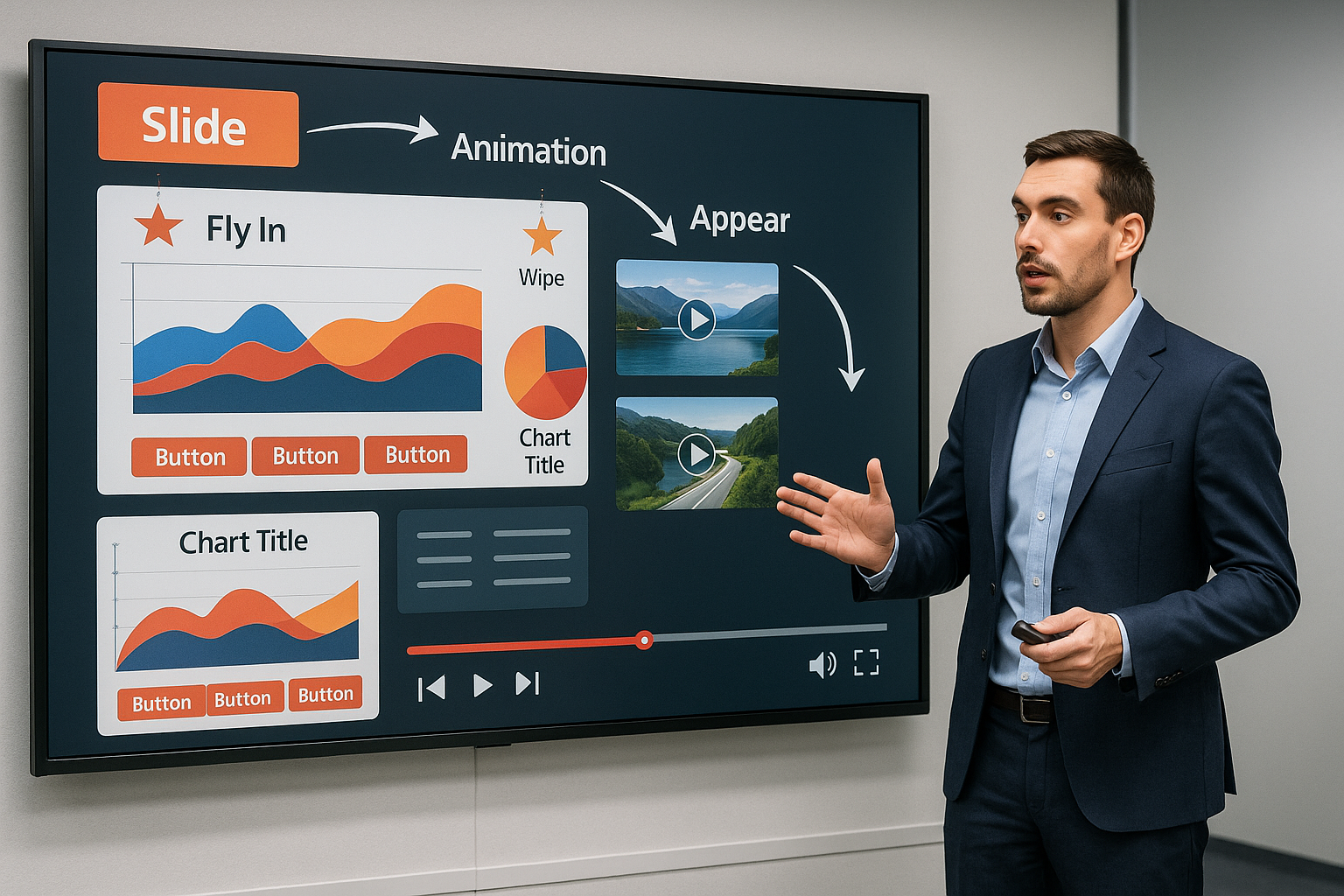
Microsoft Productivity Suite
TITLE
TIME
$ PRICE
$ PRICE
w GST
w GST
See Details
NEW
Funded
Promo
GTR
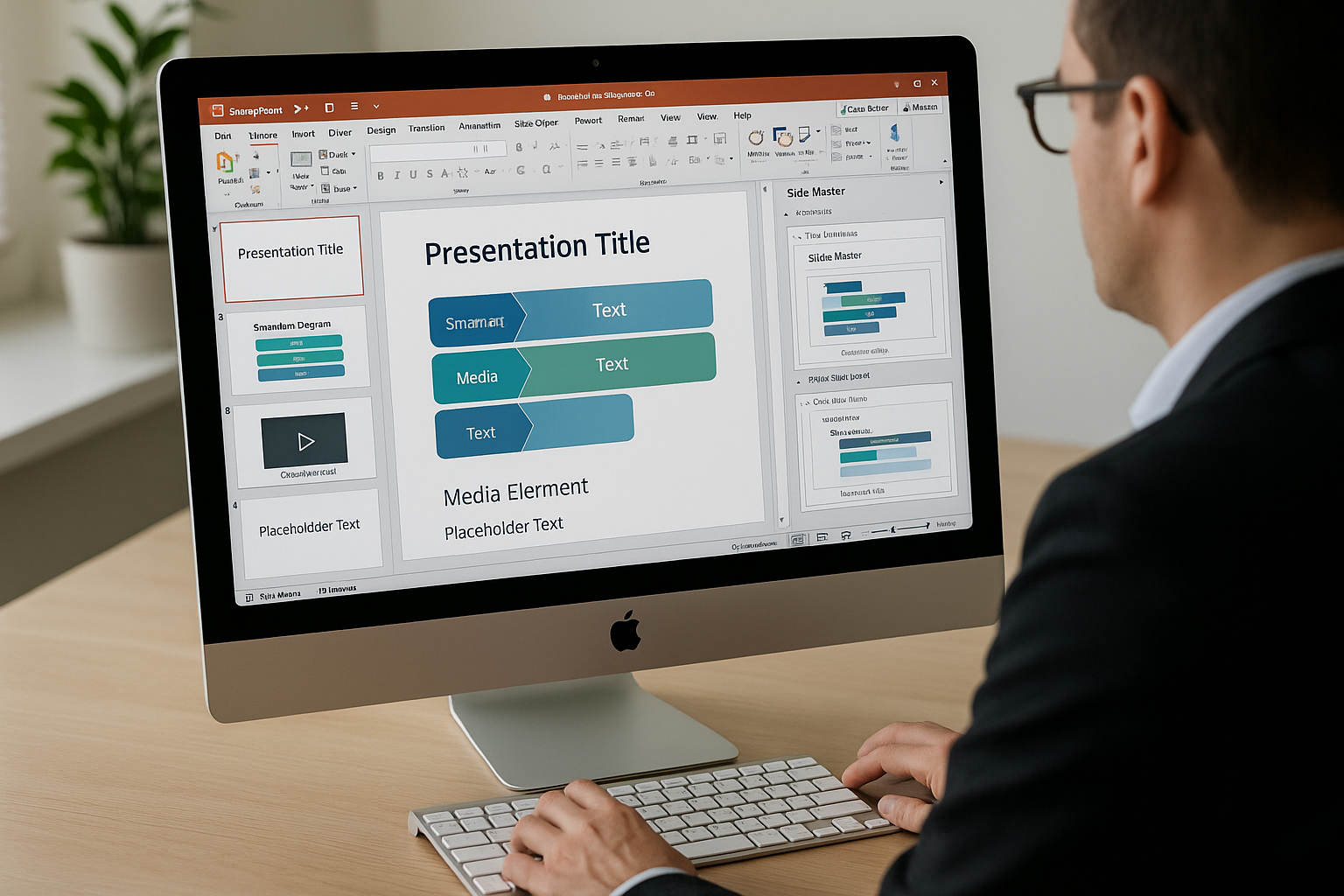
Microsoft Productivity Suite
TITLE
TIME
$ PRICE
$ PRICE
w GST
w GST
See Details
NEW
Funded
Promo
GTR

Microsoft Productivity Suite
TITLE
TIME
$ PRICE
$ PRICE
w GST
w GST
See Details
NEW
Funded
Promo
GTR
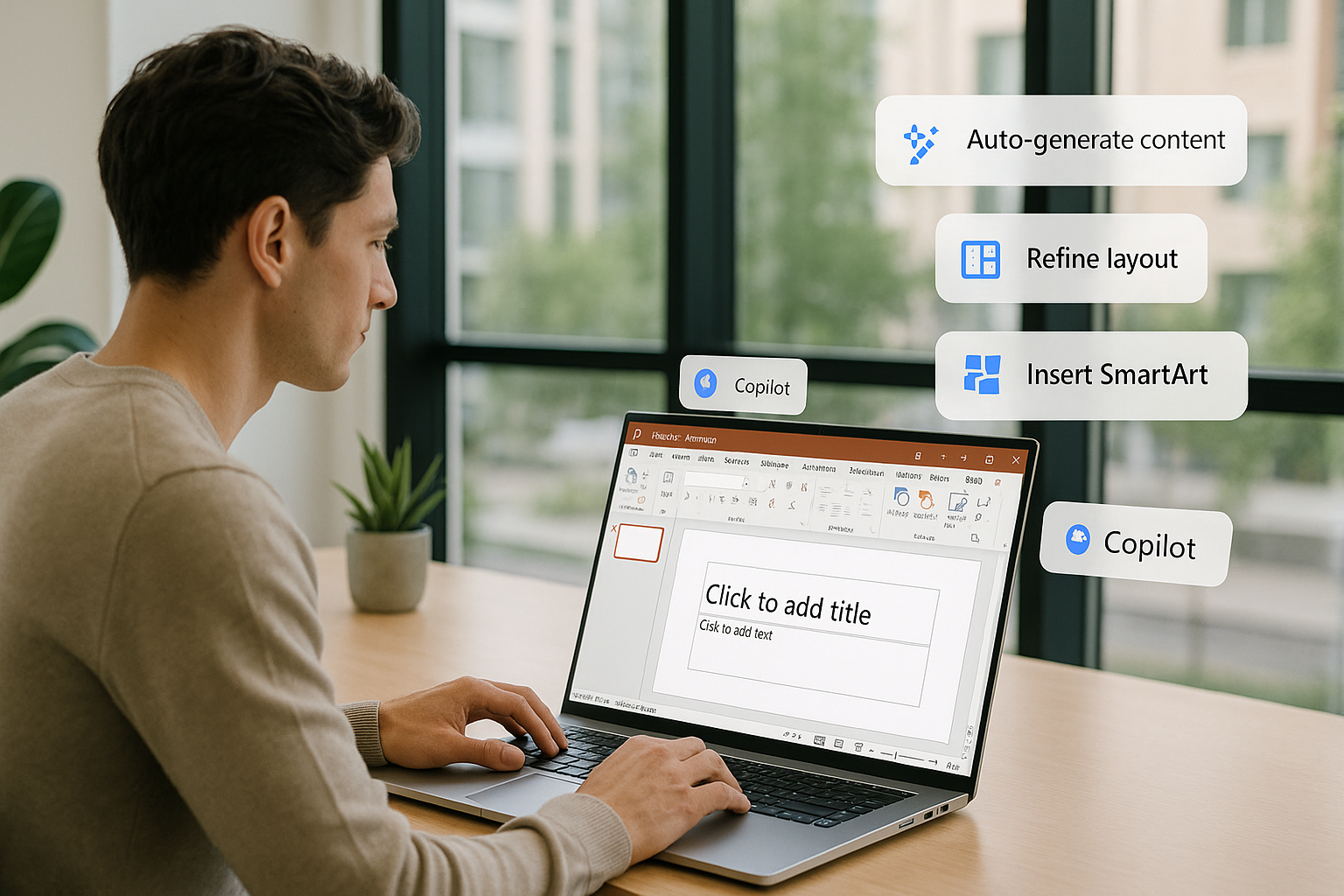
Microsoft Productivity Suite
TITLE
TIME
$ PRICE
$ PRICE
w GST
w GST
See Details
NEW
Funded
Promo
GTR
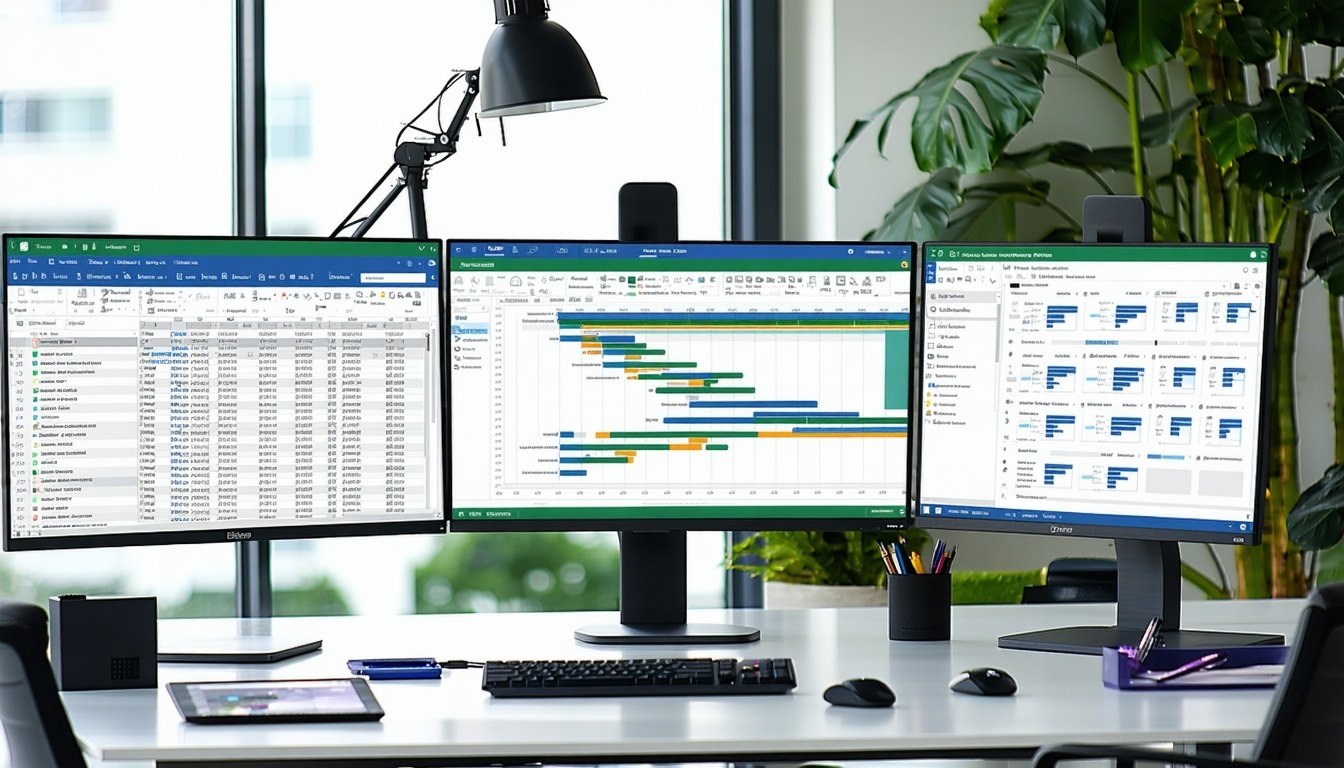
Microsoft Productivity Suite
TITLE
TIME
$ PRICE
$ PRICE
w GST
w GST
See Details
NEW
Funded
Promo
GTR
Microsoft Productivity Suite
TITLE
TIME
$ PRICE
$ PRICE
w GST
w GST
See Details
NEW
Funded
Promo
GTR
Microsoft Productivity Suite
TITLE
TIME
$ PRICE
$ PRICE
w GST
w GST
See Details
NEW
Funded
Promo
GTR
Microsoft Productivity Suite
TITLE
TIME
$ PRICE
$ PRICE
w GST
w GST
See Details
NEW
Funded
Promo
GTR
Microsoft Productivity Suite
TITLE
TIME
$ PRICE
$ PRICE
w GST
w GST
See Details
NEW
Funded
Promo
GTR
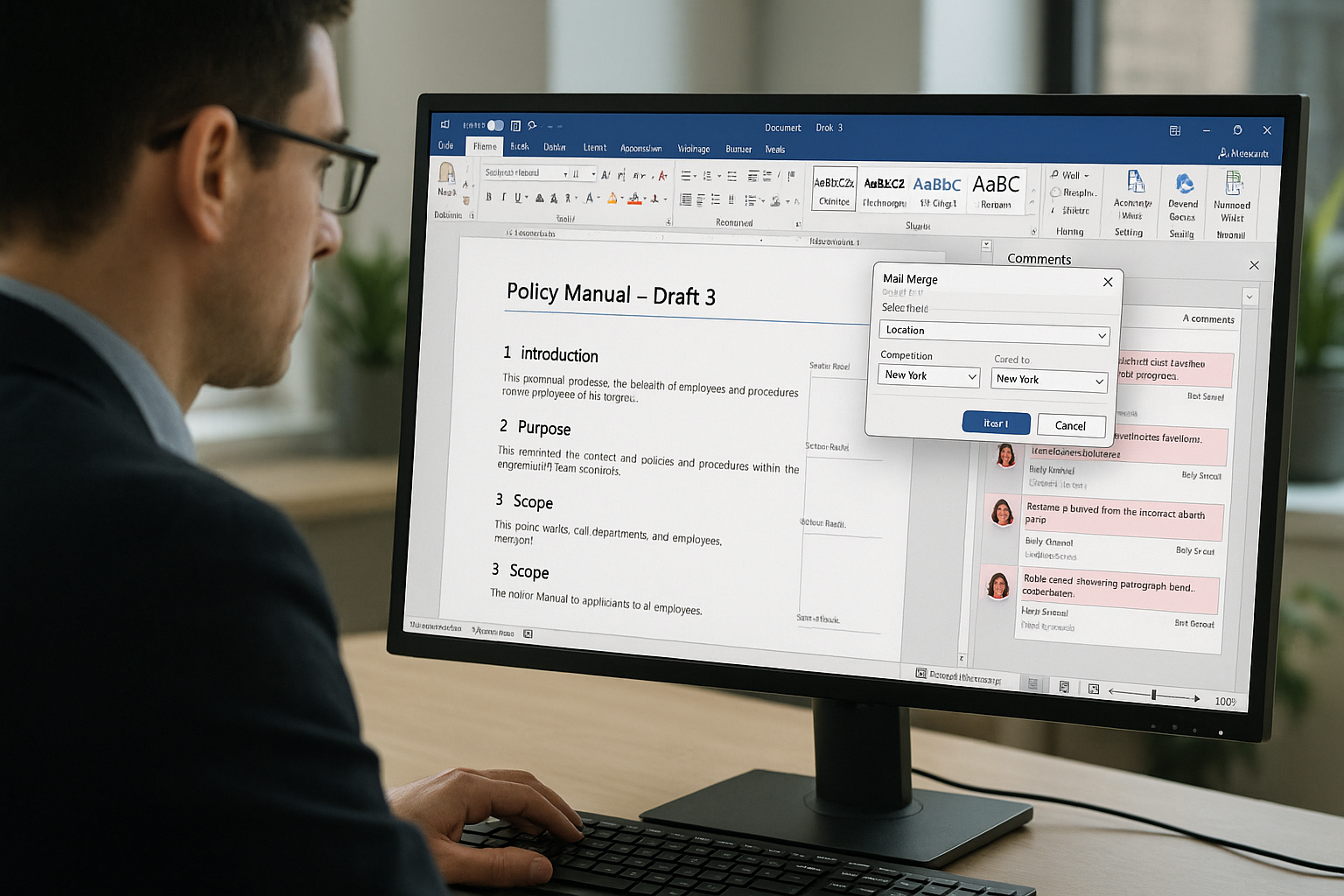
Microsoft Productivity Suite
TITLE
TIME
$ PRICE
$ PRICE
w GST
w GST
See Details
NEW
Funded
Promo
GTR
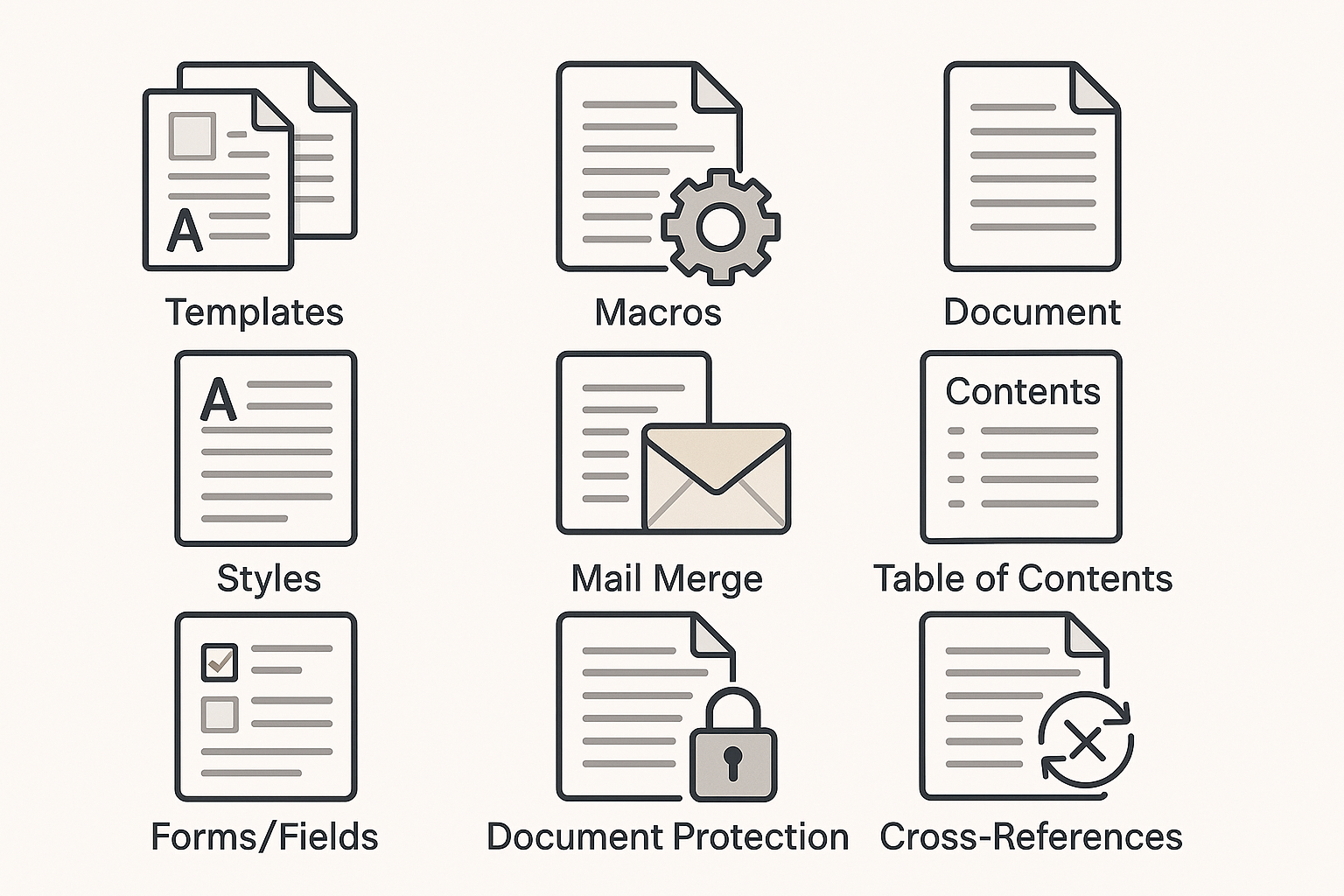
Microsoft Productivity Suite
TITLE
TIME
$ PRICE
$ PRICE
w GST
w GST
See Details
NEW
Funded
Promo
GTR
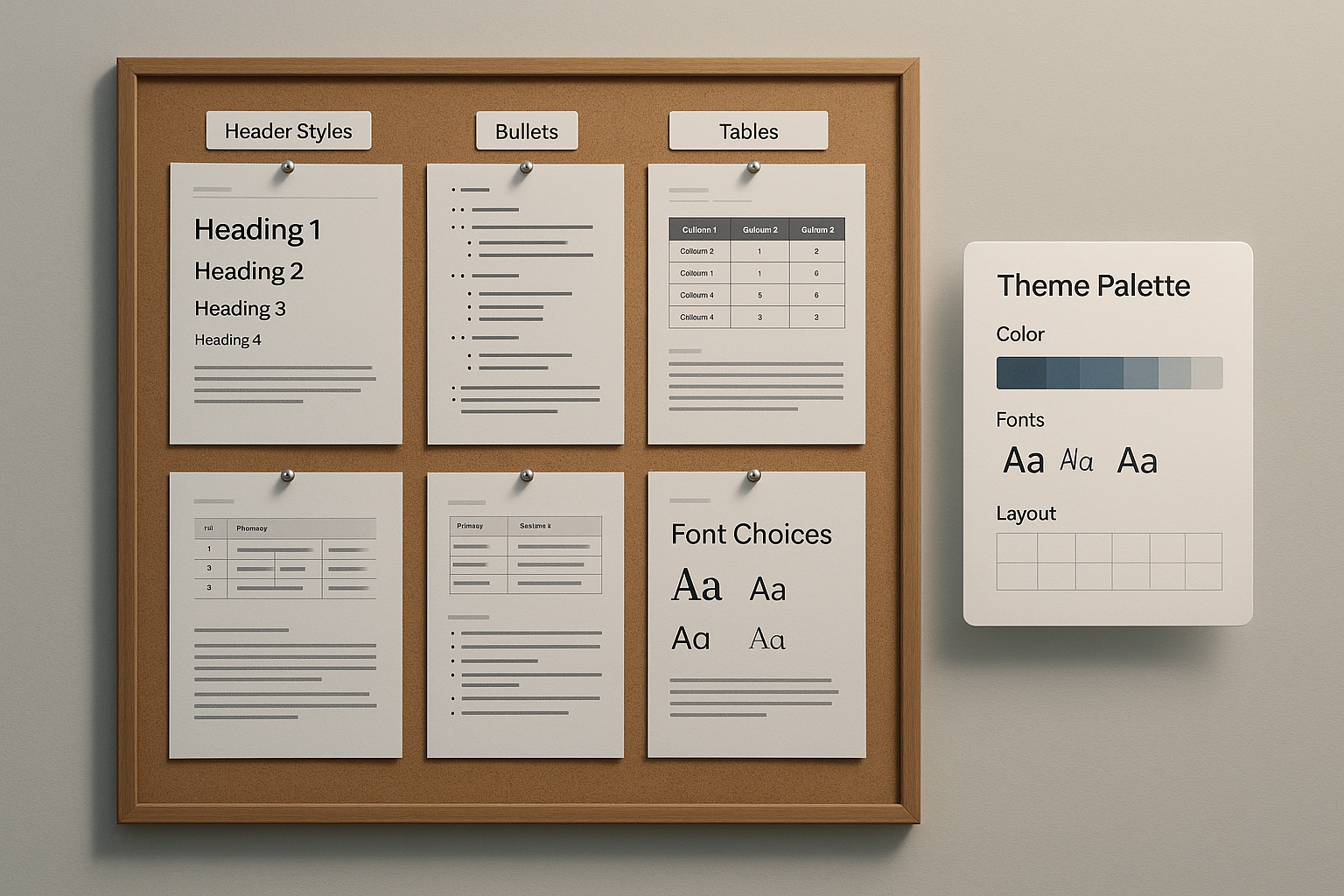
Microsoft Productivity Suite
TITLE
TIME
$ PRICE
$ PRICE
w GST
w GST
See Details
NEW
Funded
Promo
GTR
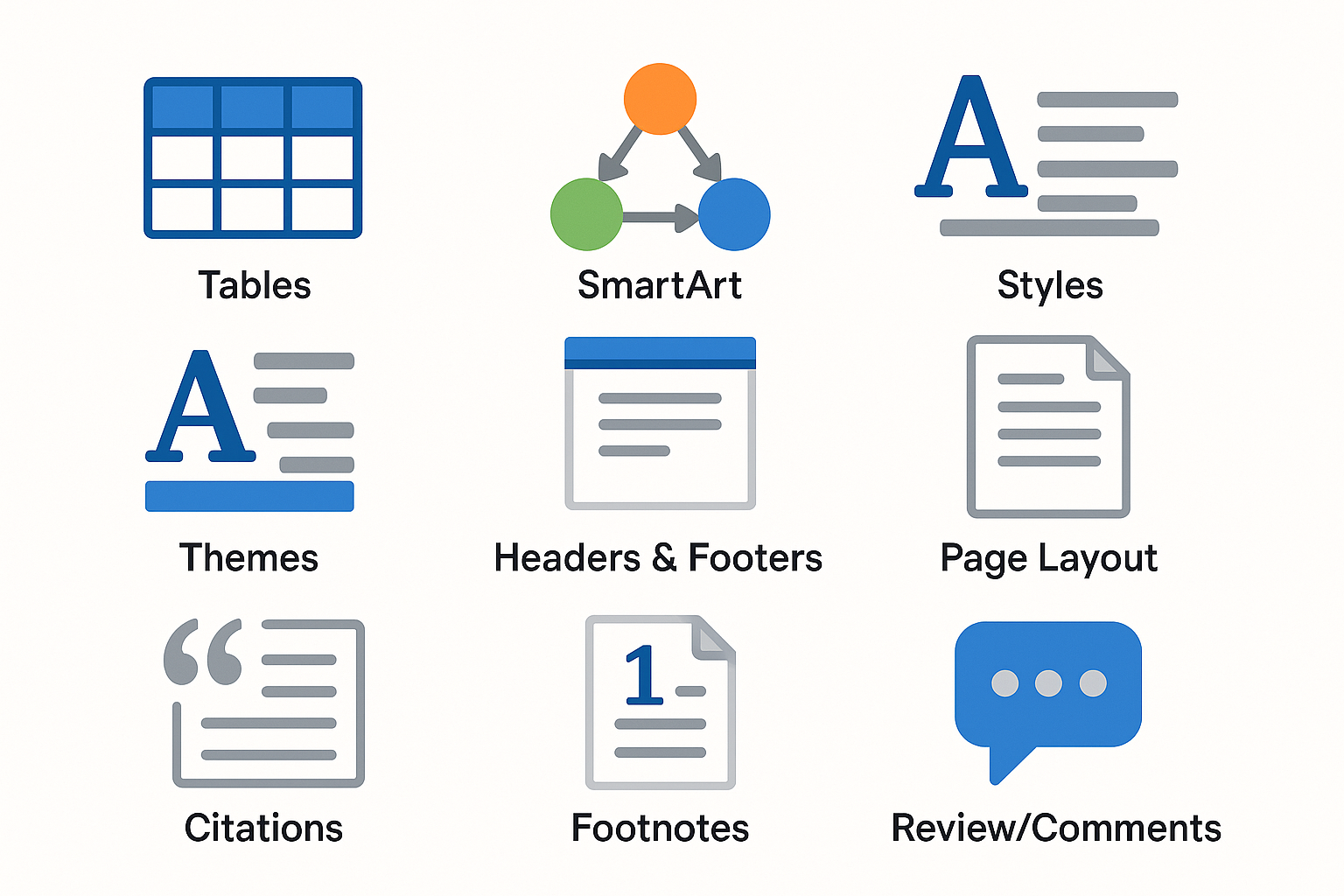
Microsoft Productivity Suite
TITLE
TIME
$ PRICE
$ PRICE
w GST
w GST
See Details
NEW
Funded
Promo
GTR
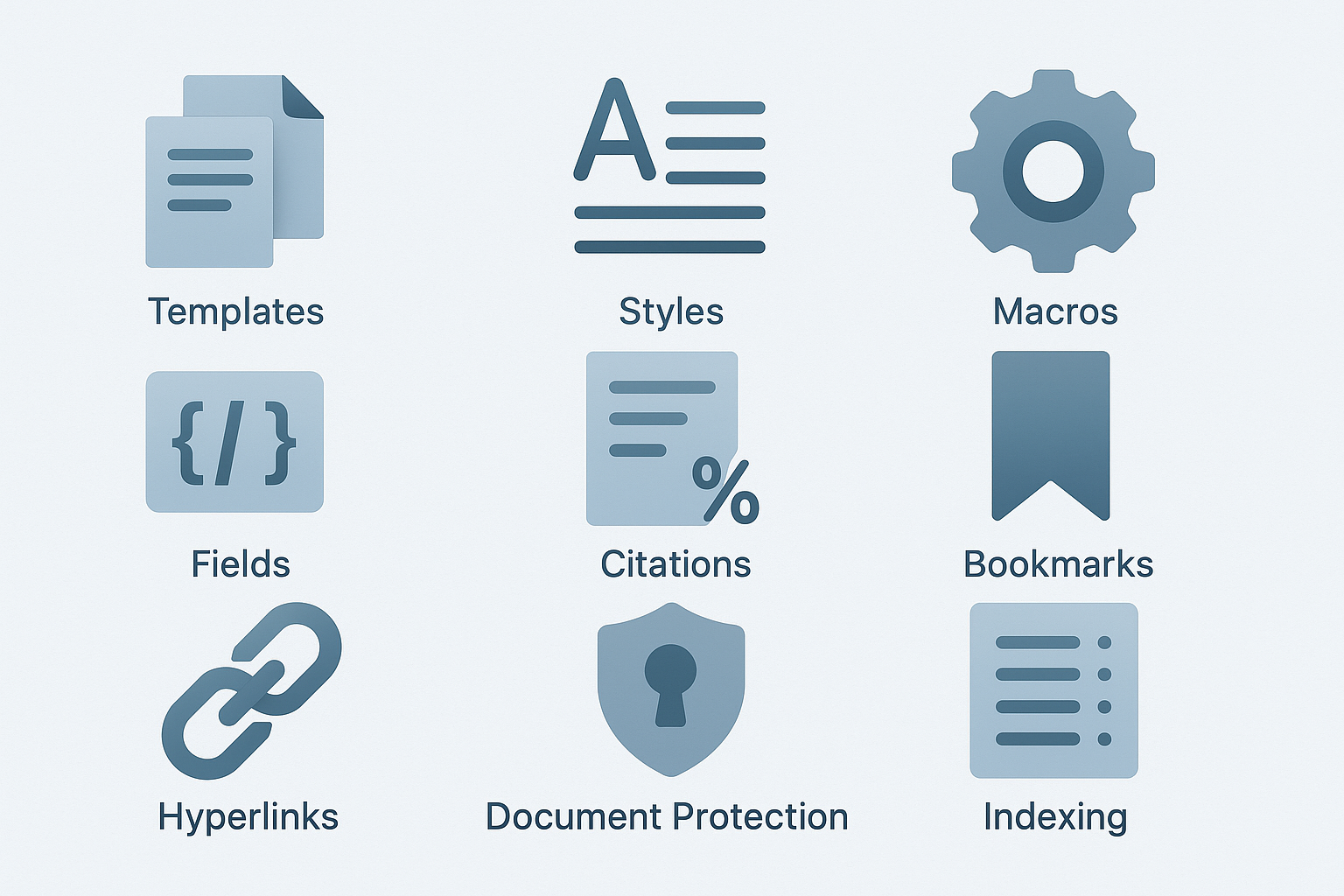
Microsoft Productivity Suite
TITLE
TIME
$ PRICE
$ PRICE
w GST
w GST
See Details
NEW
Funded
Promo
GTR
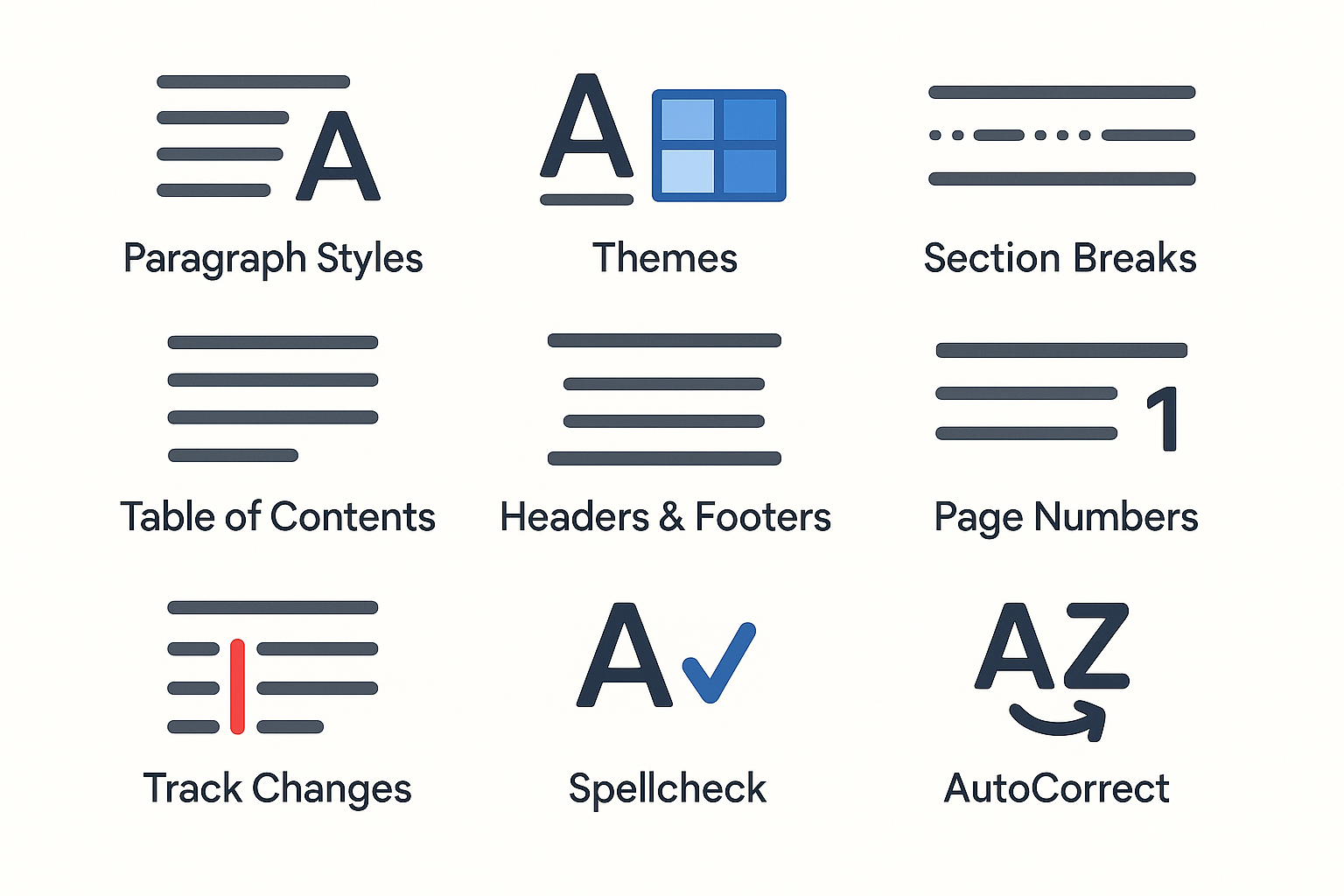
Microsoft Productivity Suite
TITLE
TIME
$ PRICE
$ PRICE
w GST
w GST
See Details
NEW
Funded
Promo
GTR

Microsoft Productivity Suite
TITLE
TIME
$ PRICE
$ PRICE
w GST
w GST
See Details
NEW
Funded
Promo
GTR
Microsoft Productivity Suite
TITLE
TIME
$ PRICE
$ PRICE
w GST
w GST
See Details

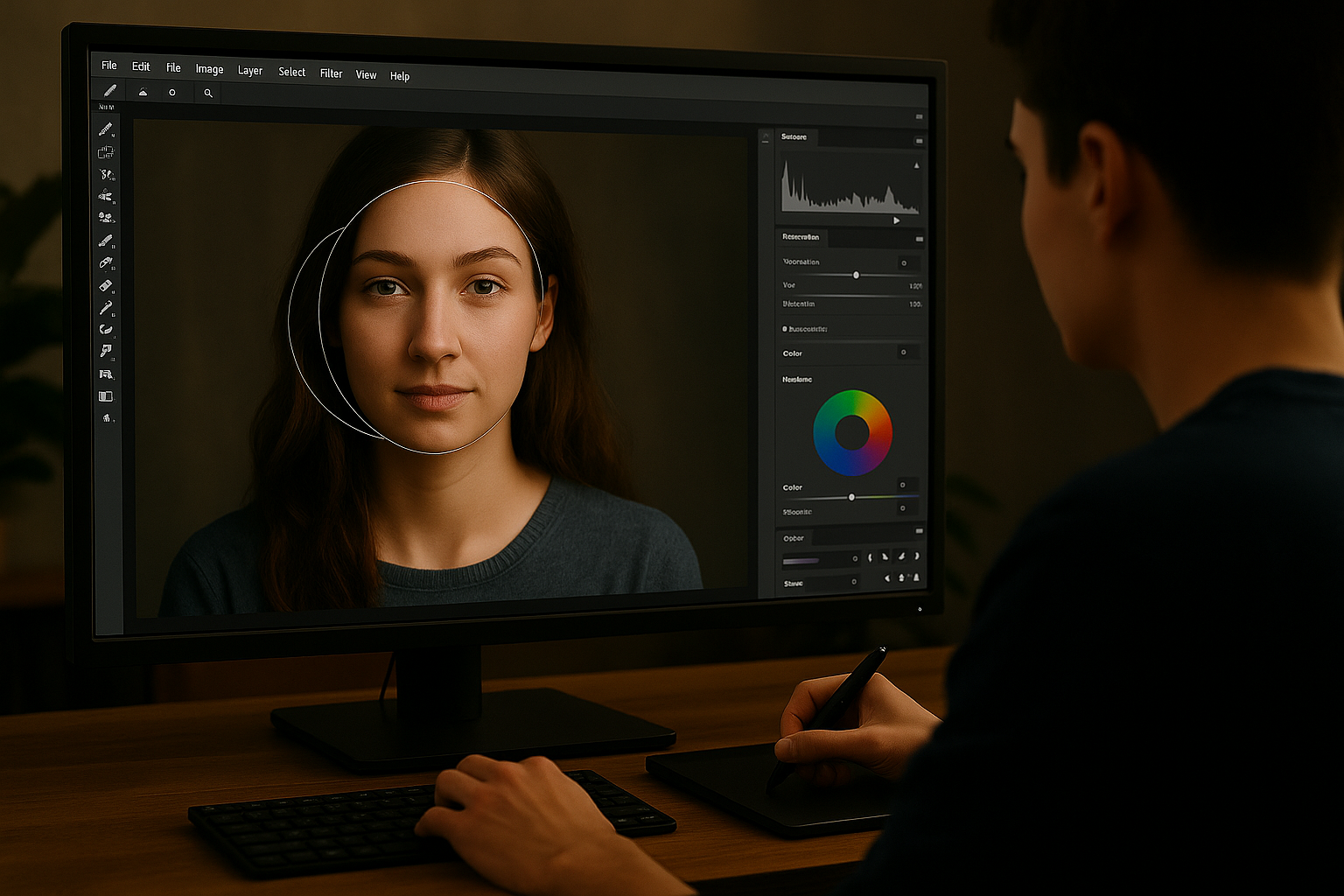




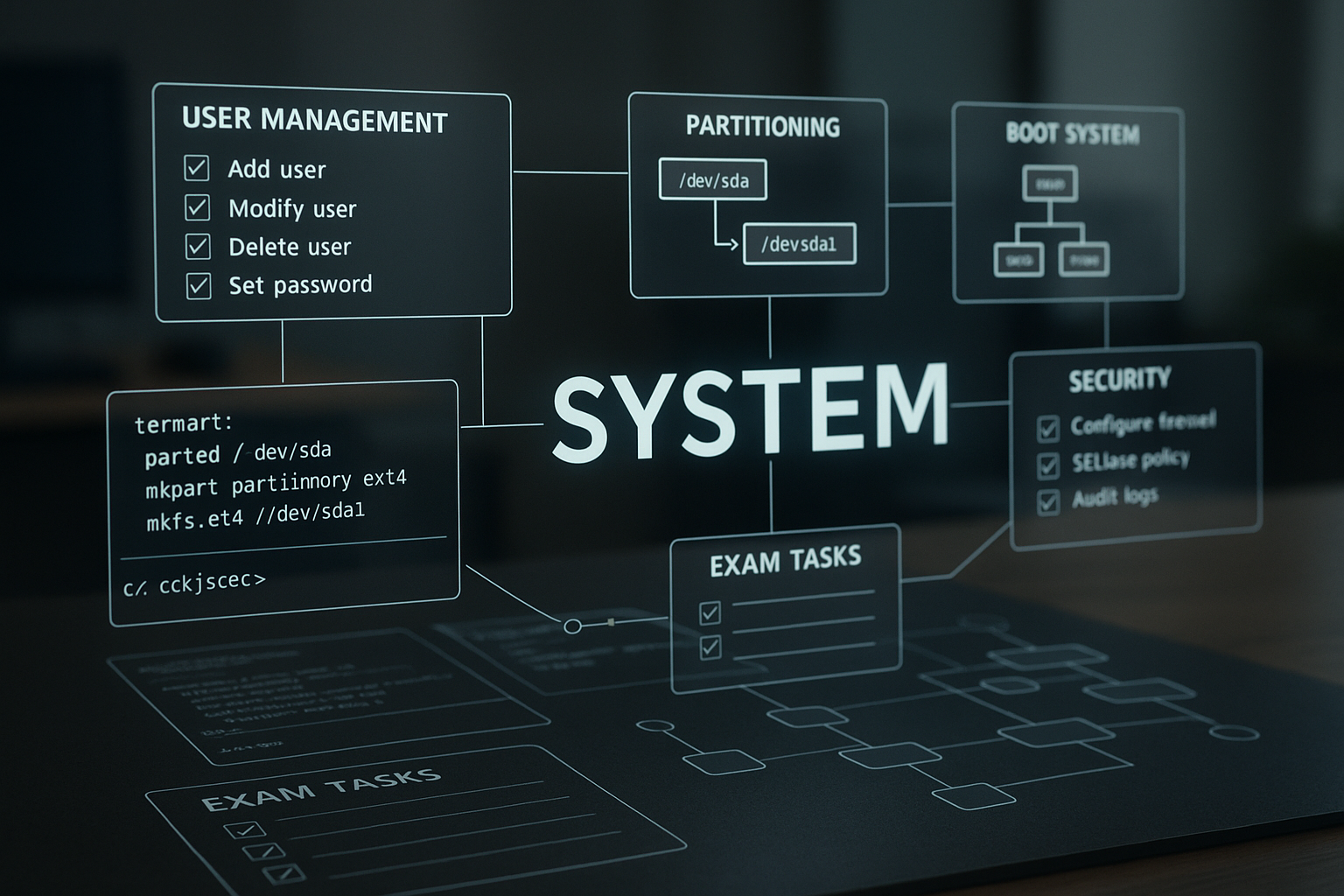



NEW
Funded
Promo
GTR

Microsoft Productivity Suite
TITLE
TIME
$ PRICE
$ PRICE
w GST
w GST
See Details


NEW
Funded
Promo
GTR

Microsoft Productivity Suite
TITLE
TIME
$ PRICE
$ PRICE
w GST
w GST
See Details





NEW
Funded
Promo
GTR

Microsoft Productivity Suite
TITLE
TIME
$ PRICE
$ PRICE
w GST
w GST
See Details




NEW
Funded
Promo
GTR
Microsoft Productivity Suite
TITLE
TIME
$ PRICE
$ PRICE
w GST
w GST
See Details
We couldn’t find any result
based on your selection.
based on your selection.
Please wait a moment
while we retrieve the data
while we retrieve the data
1
2
3
4
5
6
7
8
9
10
11
12
13
14
15
16
17
18
19
20
21
22
23
24
25
26
27
28
29
30
31
32
33
34
35
36
37
38
39
40
41
42
43
44
45
46
47
48
49
50
51
52
53
54
55
56
57
58
59
60
61
62
63
64
65
66
67
68
69
70
71
72
73
74
75
76
77
78
79
80
81
82
Have Question?
We’re here to help — reach out anytime.
By submitting this form, you consent to ST Engineering e-Services Pte Ltd to :
- contact you via email and/or your mobile number regarding your enquiry.
- collect, use, disclose, and process your personal data, and send you marketing communications, in accordance with our Personal Data Policy.
Guaranteed to Run Courses (GTR)
Plan your learning journey with confidence with our Guaranteed to Run classes.
Guaranteed to Run Courses (GTR)
Plan your learning journey with confidence with our Guaranteed to Run classes.
Guaranteed to Run Courses (GTR)
Plan your learning journey with confidence with our Guaranteed to Run classes.
